
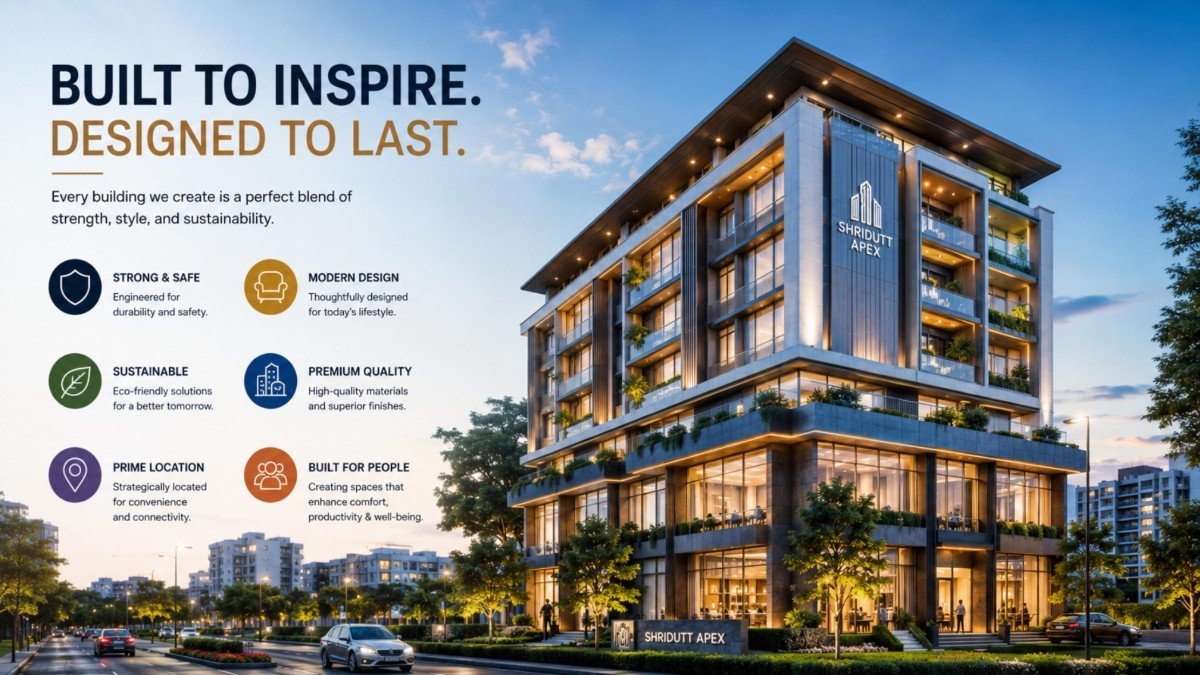
Building is more than the act of constructing physical structures; it is a reflection of human progress, creativity, and the constant desire to improve the way we live. From the earliest shelters made of natural materials to today’s advanced skyscrapers and smart buildings, the journey of building has evolved significantly. It combines art, science, engineering, and innovation to create spaces that are not only functional but also meaningful and long-lasting.
At the heart of every successful building lies a strong foundation. The foundation is not just a structural requirement; it is the base upon which the entire building stands. A well-designed and properly constructed foundation ensures stability, strength, and durability. Engineers carefully study soil conditions, environmental factors, and load requirements before deciding the type of foundation. This attention to detail at the very beginning determines the safety and lifespan of the entire structure.
Beyond the foundation, the process of building involves careful planning and design. Every building begins as an idea that is transformed into a blueprint by architects and engineers. This blueprint serves as a guide for the entire construction process, ensuring that every detail is considered. Design is not only about appearance but also about functionality, safety, and efficiency. A well-designed building maximizes space, ensures proper ventilation and lighting, and creates a comfortable environment for its occupants.
Materials play a crucial role in shaping the quality of a building. The choice of materials such as cement, steel, glass, and bricks directly affects the strength and durability of the structure. High-quality materials ensure that the building can withstand environmental stress, weather conditions, and the test of time. In recent years, there has been a growing shift towards sustainable and eco-friendly materials that reduce environmental impact while maintaining high performance.
The construction phase is where planning and design come to life. This stage involves multiple steps, including site preparation, structural development, and finishing. Skilled workers, engineers, and project managers work together to ensure that every aspect of the building is executed according to plan. Coordination and teamwork are essential during this phase, as even small errors can lead to significant issues later. Precision, discipline, and experience play a key role in achieving high-quality results.
Safety is a critical aspect of building at every stage. Construction sites can be hazardous, and it is essential to follow strict safety measures to protect workers and ensure smooth progress. The use of safety equipment, proper training, and adherence to regulations help in minimizing risks. A safe working environment not only protects lives but also improves productivity and efficiency.
As the world continues to advance, innovation is transforming the way buildings are designed and constructed. Modern technologies such as automation, digital modeling, and smart construction tools are making the process faster, more accurate, and more efficient. These advancements are reducing construction time, lowering costs, and improving overall quality. The integration of technology is also enabling the development of smart buildings that can adapt to the needs of their users.
Sustainability has become a key focus in modern building practices. With increasing awareness of environmental challenges, there is a strong emphasis on creating buildings that are energy-efficient and environmentally responsible. Green building techniques, renewable energy sources, and efficient waste management systems are being incorporated into construction projects. These practices not only benefit the environment but also create healthier living spaces and reduce long-term costs.
Maintenance is an often-overlooked but essential part of building. A well-maintained building retains its strength, safety, and appearance over time. Regular inspections, timely repairs, and proper upkeep help in extending the life of the structure. Maintenance ensures that the building continues to serve its purpose effectively without compromising safety or comfort.
Despite its many advancements, the building industry faces several challenges. Factors such as rising material costs, labor shortages, and unpredictable weather conditions can impact construction projects. Overcoming these challenges requires careful planning, efficient management, and the ability to adapt to changing circumstances. Innovation and technology continue to play a key role in addressing these issues.
Looking toward the future, building is set to become even more advanced and innovative. The development of smart cities, the use of advanced materials, and the integration of artificial intelligence will redefine the construction landscape. Buildings of the future will not only be strong and durable but also intelligent, sustainable, and highly efficient.
In conclusion, building is a dynamic and ever-evolving field that plays a vital role in shaping the modern world. From laying a strong foundation to embracing innovation, every step in the building process contributes to creating structures that support human life and progress. It is a perfect blend of tradition and technology, where the basics of strength and stability meet the possibilities of the future. As we continue to innovate and improve, building will remain at the core of development, creating spaces that inspire, protect, and endure for generations to come.