
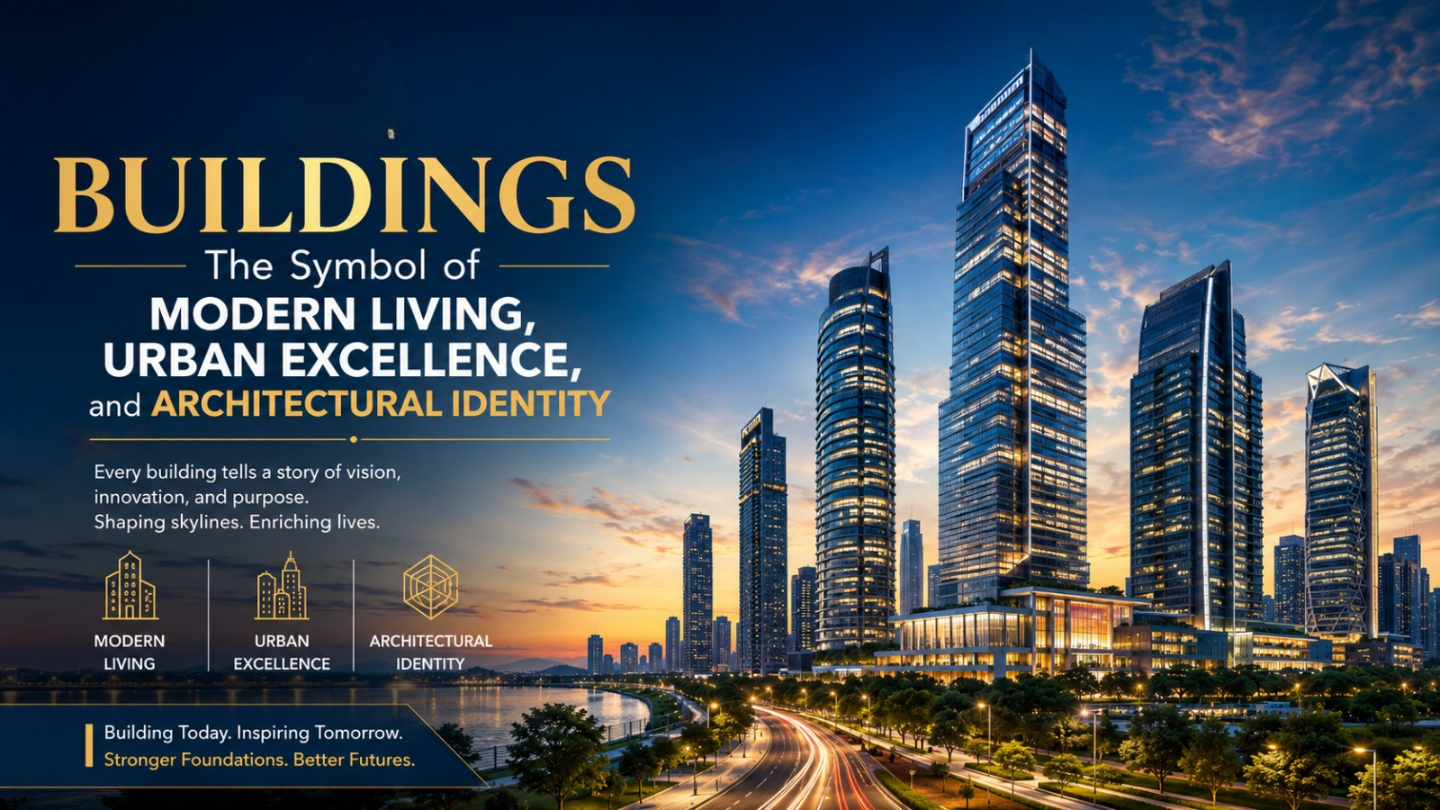
Buildings are among the most significant achievements of human civilization. They define the skylines of cities, provide spaces for living and working, and reflect the cultural, economic, and technological progress of societies. From iconic skyscrapers that dominate metropolitan landscapes to elegant residential towers that offer comfortable living experiences, buildings play a central role in shaping the modern world. They are more than physical structures; they represent innovation, functionality, aesthetics, and the aspirations of communities and individuals.
In today's rapidly urbanizing world, buildings have become an essential part of everyday life. They influence how people interact, work, learn, relax, and conduct business. Modern buildings are designed not only to meet practical requirements but also to enhance the quality of life for occupants. Through thoughtful design, efficient space utilization, and advanced technologies, buildings create environments that support productivity, comfort, safety, and well-being.
The concept of a building has evolved significantly over the centuries. Ancient civilizations created monumental structures that symbolized power, culture, and religious beliefs. Today, buildings continue to serve as symbols of identity and progress while incorporating modern design principles and sustainable practices. Contemporary architecture emphasizes functionality, aesthetics, environmental responsibility, and user experience, making buildings more sophisticated and versatile than ever before.
Residential buildings are among the most important components of urban life. They provide individuals and families with safe, comfortable, and secure spaces to call home. Modern residential buildings are designed to accommodate diverse lifestyles and preferences. Features such as spacious interiors, natural lighting, energy-efficient systems, recreational amenities, and smart technologies contribute to enhanced living experiences. Residential buildings have become communities within themselves, offering residents convenience, connectivity, and a sense of belonging.
Commercial buildings play a crucial role in supporting economic growth and business activities. Office towers, corporate headquarters, shopping centers, and mixed-use developments provide spaces where organizations can operate efficiently and interact with customers. The design of commercial buildings significantly impacts productivity, employee satisfaction, and business performance. Modern workplaces prioritize flexibility, collaboration, and employee well-being through open layouts, ergonomic design, and advanced technological integration.
Educational buildings are essential for fostering learning and intellectual development. Schools, colleges, universities, and research centers provide environments where knowledge is created, shared, and applied. Well-designed educational buildings support effective learning by offering comfortable classrooms, collaborative spaces, libraries, laboratories, and recreational facilities. These environments inspire creativity, critical thinking, and innovation among students and educators alike.
Healthcare buildings represent another vital category of modern architecture. Hospitals, clinics, wellness centers, and healthcare facilities are designed to promote healing, comfort, and efficient medical care. The layout, accessibility, lighting, ventilation, and overall environment of healthcare buildings significantly influence patient outcomes and staff performance. Modern healthcare facilities prioritize both functionality and patient-centered design to create supportive and therapeutic environments.
Hospitality buildings, including hotels, resorts, and serviced residences, contribute significantly to tourism and travel experiences. These buildings are designed to provide comfort, luxury, and memorable experiences for guests. Architectural elegance, interior design, premium amenities, and personalized services combine to create spaces that cater to diverse traveler needs. Hospitality buildings often become landmarks that enhance the identity and appeal of destinations.
One of the defining characteristics of modern buildings is their focus on sustainability. Environmental concerns and resource conservation have become major priorities in architectural design. Sustainable buildings incorporate energy-efficient systems, renewable energy sources, water conservation technologies, and environmentally friendly materials. Green buildings reduce environmental impact while providing healthier and more comfortable spaces for occupants. Sustainable architecture demonstrates how buildings can contribute to environmental responsibility without compromising functionality or aesthetics.
Smart buildings represent the next stage in the evolution of architecture and urban development. Through the integration of advanced technologies, smart buildings enhance efficiency, security, and user convenience. Automated lighting, climate control systems, intelligent security solutions, energy management platforms, and Internet of Things (IoT) connectivity enable buildings to respond dynamically to user needs. These innovations improve operational performance while enhancing occupant comfort and satisfaction.
Aesthetic appeal remains a fundamental aspect of building design. Architecture has the power to inspire emotions, create memorable experiences, and establish strong visual identities. Building facades, materials, forms, and interior spaces contribute to overall architectural character. Whether minimalist, contemporary, classical, or futuristic, architectural styles influence how buildings are perceived and experienced. Exceptional design transforms buildings into landmarks that leave lasting impressions on residents, visitors, and communities.
Buildings also contribute significantly to urban identity. Cities around the world are recognized by their iconic structures and distinctive skylines. Landmark buildings often become symbols of cultural heritage, innovation, and economic strength. They attract tourism, investment, and international recognition while fostering civic pride among residents. Urban architecture shapes the character of cities and influences how people experience and connect with their surroundings.
Safety and security are essential considerations in modern building design. Buildings must provide secure environments that protect occupants from various risks while ensuring comfort and accessibility. Advanced security systems, emergency preparedness measures, fire safety technologies, and accessibility features contribute to safer and more inclusive spaces. Modern buildings prioritize occupant well-being by integrating safety into every aspect of design and operation.
The relationship between buildings and human well-being has gained increasing attention in recent years. Research has shown that the built environment can influence physical health, mental wellness, productivity, and overall quality of life. Natural light, indoor air quality, acoustic comfort, green spaces, and ergonomic design contribute to healthier living and working environments. Modern building design increasingly focuses on creating spaces that support holistic well-being and positive human experiences.
Luxury buildings represent the pinnacle of architectural excellence and lifestyle innovation. High-end residential towers, premium commercial developments, and exclusive mixed-use projects offer exceptional design, world-class amenities, and superior services. Luxury buildings provide residents and occupants with unique experiences that combine comfort, convenience, exclusivity, and prestige. These developments often set new standards for architectural quality and urban living.
Technology continues to transform the future of buildings. Artificial intelligence, automation, digital twins, predictive maintenance, and advanced building management systems are redefining how buildings operate and interact with occupants. Future buildings are expected to become more intelligent, adaptive, and sustainable, creating environments that respond proactively to changing needs and environmental conditions.
Buildings are also important investments that contribute to economic development and wealth creation. Residential, commercial, and mixed-use properties generate value for owners, investors, and communities. High-quality buildings attract businesses, residents, and visitors, supporting economic activity and urban growth. Their long-term value depends on location, design quality, functionality, sustainability, and adaptability to future requirements.
As urban populations continue to grow, the importance of innovative building design becomes even more significant. Future cities will require buildings that maximize space efficiency, support sustainable development, and enhance quality of life. Architects, designers, planners, and developers will play crucial roles in creating built environments that address evolving social, environmental, and economic challenges.
In conclusion, buildings are far more than physical structures; they are expressions of human creativity, progress, and ambition. They provide the spaces where people live, work, learn, heal, and connect with one another. Through innovative design, sustainable practices, advanced technologies, and a focus on human well-being, modern buildings continue to shape the future of cities and communities around the world. As symbols of architectural excellence and urban identity, buildings remain fundamental to the development of vibrant, prosperous, and sustainable societies.
1. What makes buildings an important part of modern living?
Buildings are essential because they provide spaces where people live, work, learn, and interact. They form the foundation of modern cities and communities. Modern buildings are designed to enhance comfort, safety, and convenience for occupants. They support daily activities while improving the quality of life through advanced amenities and smart technologies. Buildings also contribute to economic growth and urban development. Their design and functionality play a significant role in shaping modern lifestyles.
2. How do buildings contribute to urban excellence?
Buildings define the character and identity of cities. Well-designed buildings improve the visual appeal of urban areas and create organized, functional environments. They support businesses, education, healthcare, and residential needs, making cities more efficient and livable. Modern buildings often become landmarks that attract visitors and investments. Their architectural beauty enhances the city's reputation and cultural significance. As a result, buildings play a vital role in creating vibrant and prosperous urban communities.
3. Why is architectural identity important in building design?
Architectural identity reflects the unique style, culture, and purpose of a building. It helps distinguish one building from another and contributes to the overall character of a city or community. A strong architectural identity creates visual appeal and leaves a lasting impression on visitors. It can also reflect historical, cultural, or modern influences. Buildings with distinctive architectural features often become iconic landmarks. This identity strengthens the connection between people and the built environment.
4. What are the key features of modern buildings?
Modern buildings focus on functionality, aesthetics, sustainability, and user comfort. They often include smart technologies, energy-efficient systems, spacious layouts, and innovative architectural designs. Natural lighting, ventilation, and accessibility are also important features. Many modern buildings incorporate environmentally friendly materials and sustainable practices. These features help reduce environmental impact while improving occupant well-being. As a result, modern buildings provide efficient and comfortable living and working spaces.
5. How do residential buildings improve quality of life?
Residential buildings provide safe and comfortable living environments for individuals and families. Modern residential developments often include amenities such as gardens, fitness centers, security systems, and recreational spaces. These features enhance convenience and promote a healthy lifestyle. Well-designed homes also improve mental well-being by offering privacy, comfort, and functionality. Residential buildings create communities where people can connect and build relationships. They contribute significantly to overall life satisfaction and happiness.
6. What role do commercial buildings play in economic growth?
Commercial buildings provide spaces for businesses, offices, retail stores, and service providers. They create opportunities for employment, investment, and economic activity. Modern commercial buildings are designed to improve productivity and support business operations. They attract companies, customers, and investors to urban areas. Their presence stimulates local economies and encourages development. Commercial buildings are therefore important drivers of economic growth and prosperity.
7. How do sustainable buildings benefit the environment?
Sustainable buildings are designed to reduce energy consumption, conserve water, and minimize environmental impact. They often use renewable energy sources, efficient lighting systems, and eco-friendly materials. These buildings help lower carbon emissions and reduce operating costs. Sustainable design also improves indoor air quality and occupant comfort. By promoting environmental responsibility, green buildings contribute to a healthier planet. They represent the future of responsible urban development.
8. What are smart buildings and why are they important?
Smart buildings use advanced technology to improve efficiency, security, and user experience. Automated systems control lighting, temperature, energy usage, and security functions. These technologies help reduce operational costs and improve sustainability. Occupants benefit from greater comfort and convenience through intelligent building management systems. Smart buildings can also adapt to changing needs and environmental conditions. Their innovative features make them an important part of future urban development.
9. How do buildings influence human well-being?
The design and environment of a building can significantly affect physical and mental health. Features such as natural light, proper ventilation, green spaces, and comfortable interiors contribute to occupant well-being. Well-designed buildings reduce stress and improve productivity. They create positive environments for living, working, and learning. Modern architecture increasingly focuses on human-centered design principles. This ensures that buildings support healthier and happier lifestyles.
10. Why are buildings considered symbols of progress and innovation?
Buildings reflect the technological, economic, and cultural achievements of a society. Innovative designs, advanced materials, and modern technologies demonstrate human creativity and progress. Iconic buildings often become symbols of a city's success and global recognition. They showcase architectural excellence and inspire future developments. As societies continue to evolve, buildings adapt to changing needs and challenges. Their ability to combine functionality, beauty, and innovation makes them lasting symbols of progress and urban excellence.